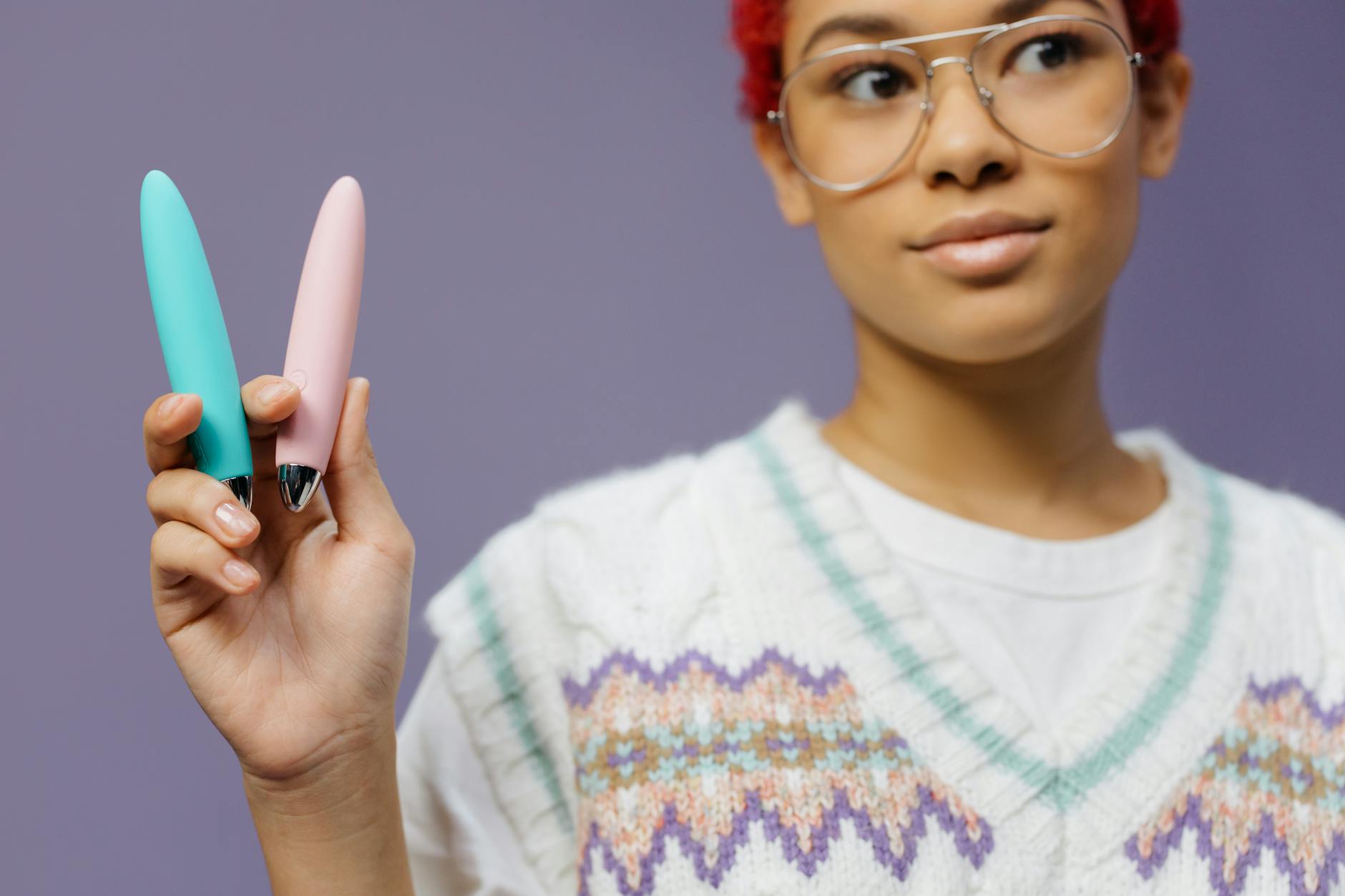
Here's what nobody tells you about pleasure after medical procedures
Your doctor discusses pain management, infection risk, and timeline to normal activity. What they rarely mention is how pleasure changes during recovery. Sensation shifts. Arousal takes longer. Tissue feels raw or numb or both at different times. You're not broken, and you're not alone. This is one of the most common unspoken side effects of surgical recovery.
The good news: pleasure is absolutely achievable during this phase. It just requires a different approach than before, and often a conversation with your partner that most people avoid.
What medical procedures actually do to sensation
Surgery, radiation, or targeted medical treatments affect the pelvic area in several ways. Tissue swelling can last weeks or months. Scar formation changes how nerves transmit sensation. If your procedure involved anesthesia in the pelvic region, that area may feel numb, tingly, or hypersensitive as nerve endings wake back up. Sometimes all three happen in sequence.
Your clitoris has roughly 8,000 nerve endings. That's both a blessing and a vulnerability. It's incredibly responsive, which means it recovers beautifully. But during healing, it's also more fragile. Direct friction that felt amazing before can feel painful now. Pressure needs to be gentler. Stimulation patterns need to adapt.
The timeline matters too. Most pelvic tissue is comfortable with external stimulation again within 4-6 weeks post-procedure. But full sensation recovery often takes 3-6 months. Impatience during this window is where people accidentally cause pain or backward steps.
Why lemon vibrators work better than traditional toys during recovery
A standard vibrator relies on repetitive mechanical movement. It requires steady pressure, direct contact, and enough friction to generate sensation. If your tissue is tender or numb, that approach backfires immediately.
Lemon clitoral vibrators work differently. They use suction and gentle pulsing rather than jackhammer vibration. The sensation is more like a soft pull than a buzz. For healing tissue, this matters enormously. You get stimulation without the grinding friction that can irritate or overwhelm sensitive nerves.
The suction mechanism also means you can control depth of contact. Light suction feels like barely-there pleasure. Medium suction feels grounding and warming. You never have to push through discomfort to find sensation. This is especially valuable when you're navigating numbness and returning sensitivity at the same time.
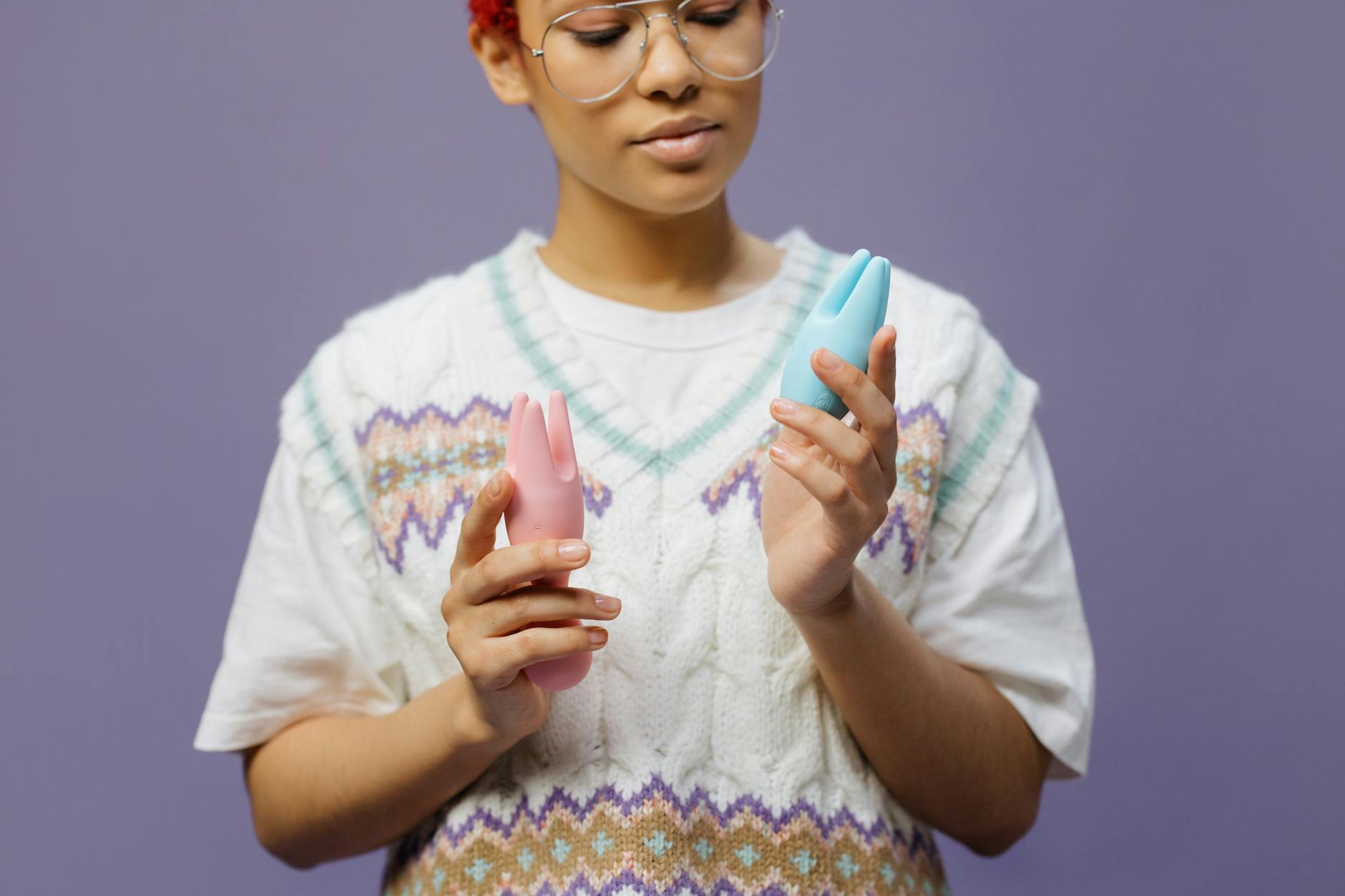
Photo by cottonbro studio on Pexels
The emotional part (which is actually bigger than the physical part)
After a medical procedure, your body doesn't feel like yours. That distance is real and valid. Adding pleasure back isn't just a physical task. It's a trust-rebuilding project between you and your own body.
If you have a partner, it's also a trust-rebuilding project with them. Most partners are terrified of causing pain. Some take the fear so far they stop initiating contact altogether, which ironically makes the patient feel less desirable right when confidence is already fragile. The unspoken anxiety becomes a third person in the bed.
The conversation to have is not "Do you still love me" or "Is it still working between us." It's simpler and more direct: "My body feels different right now. I want to explore pleasure again, and I need you to know that some things might feel uncomfortable for a while. If I say stop, that doesn't mean I don't want you. It means my nervous system needs a break." That clarity changes everything.
Starting slow and building confidence back
When you're cleared for sexual activity, that green light doesn't mean jump straight back to your pre-procedure routine. Your nervous system needs time to rewire.
Start with external exploration on your own. Let your hands relearn your body without expectation. This isn't foreplay. It's archaeology. You're discovering what still feels good and what's changed. Lemon vibrators are brilliant for this phase because they let you control the pace and intensity completely.
Begin with the lowest setting. Spend time in the numbness. Some people are surprised to find that gentle suction actually wakes up numb tissue faster than doing nothing. The stimulation gives the nervous system something to work with. Other people find that sensation builds gradually over 10-15 minutes. Both are normal.
Once you're comfortable exploring alone, bring a partner in gradually. The first time with a partner doesn't need to include penetration or even full arousal. It can be as simple as being present while you use a lemon vibrator. That vulnerability. That witnessing. That becomes trust.
Managing the weird sensations that show up during healing
Three things happen unpredictably during recovery, and they throw people off:
Numbness that comes and goes. Some days sensation is deadened. Some days you can feel everything. This isn't progress or regression. It's your nervous system remapping itself. Patience is the only tool that works here. A lemon vibrator's suction is persistent enough to create sensation even on numb days, without aggravating tissue.
Sensitivity spikes. Suddenly something that felt fine yesterday feels too intense today. Scar tissue is still settling. Inflammation comes and goes. On these days, lower the intensity to the minimum. Some people find that sitting with the toy on the gentlest setting, barely making contact, actually feels more pleasurable than pushing harder. Pressure is not always better.
The pleasure reflex gap. You're being stimulated but the orgasm pathway feels blocked. This is common and frustrating. Your body is still in recovery mode. Pleasure and orgasm are not the same thing, and during healing, they get temporarily separated. It's okay to enjoy the sensation without expecting climax.
When to bring a partner into this process
If you live with someone, you don't need to hide recovery. You can invite them to be part of rebuilding pleasure, not just waiting for your body to return to baseline.
Partnered exploration with a lemon vibrator works because it removes performance pressure. Nobody has to be in charge of the timing or intensity. The toy is. Your partner can watch, can kiss you, can hold your hand, can simply be present while you relearn your own body. That reclaiming of sensation together is actually deeply bonding.
One caveat: if your procedure was trauma-adjacent or your partner is being avoidant, bring in a therapist before jumping into this. Sometimes mismatched desire with a long-term partner signals something bigger than recovery.
A note on pressure and how to stay kind to yourself
You will feel pressure to bounce back faster. Your partner might (unintentionally) signal impatience. Your doctor cleared you for sex, so shouldn't you be ready? Medicine doesn't work that way. Medical clearance means "tissue has mechanically healed." Pleasure requires both mechanical healing and nervous system recalibration. Those are on different timelines.
If orgasm doesn't happen in the first month, the second month, or even longer, that doesn't mean you broke it. Healing is not linear. Some days you'll feel closer to your old self. Some days you'll feel miles away. Both are information, not judgment.
The fact that you're here, reading about how to bring pleasure back, means you haven't given up on yourself. That's the hardest part. Everything else is just technique.
FAQ. Answered.
How long after a medical procedure can I use a lemon vibrator?
Wait for your doctor's clearance for sexual activity. That's usually 4-6 weeks post-surgery depending on the procedure. Once cleared, you can start gently. Lemon vibrators' suction is less mechanically demanding than traditional vibrators, which makes them safer early in recovery. Start with the lowest setting and duration, and stop immediately if you feel sharp pain (pressure and slight discomfort are different from pain).
Will using a toy interfere with scar tissue healing?
No, if you're gentle and past the acute healing phase. Once cleared by your doctor for sexual activity, light external stimulation actually promotes healing by increasing blood flow. Avoid the area directly over any incisions early on. Stick to external clitoral stimulation on the least-disrupted tissue. Scar tissue is resilient. Pressure and time help it integrate normally.
What if sensation hasn't returned months after the procedure?
Tell your doctor. Persistent numbness weeks after clearance can signal a nerve injury that needs evaluation. It's rare, but it's worth investigating rather than assuming it will eventually resolve. In the meantime, lemon vibrators' sensation-awakening properties can help coax nerve endings back online. The gentle suction is therapeutic for this specifically.
Can I use a lemon vibrator with my partner inside me?
Yes, but wait longer in your recovery timeline. External clitoral stimulation with lemon vibrators during partnered sex is safe once you're comfortable with external touch alone. The toy adds stimulation without adding pressure to healing internal tissue. Many people find they reconnect with sensation faster this way because they're receiving multiple types of stimulation at once. Your nervous system has more to work with.
What if I'm too scared to try after the procedure?
That's trauma. Procedural anxiety is real, and sometimes our body holds it even after the physical healing is complete. Start by exploring with your hands alone, no toys. Let your nervous system learn that your body can feel good again. If fear persists beyond a few months, talk to a therapist. Fear and shame block healing more reliably than any tissue damage does.
Should I feel guilty that I want pleasure again so soon after surgery?
No. Desire for pleasure is a sign of healing and self-love, not impatience. Your body wants to feel good. That's not disrespect to the healing process. It's your nervous system requesting what it needs to move forward.
Coming back to yourself
Medical procedures interrupt your story with your own body. Recovery is learning that story again, one sensation at a time. It's slow work. It's vulnerable work. It's worth it.
Pleasure isn't something you lost permanently. It's something your body is temporarily learning to express differently. Lemon clitoral vibrators are built for exactly this transition: enough stimulation to feel real, gentle enough to respect tissue that's still finding its way back.
If you're navigating this recovery, you're doing better than you think. The fact that you're reading about how to rebuild pleasure means you haven't abandoned the idea of yourself as a person who feels good. Keep going with that.