Here's what almost nobody tells you
Arousal doesn't disappear as you age. It just shifts. The speed changes. The pathway changes. The things that used to work in five minutes now take fifteen, and the assumption that something is wrong with you is the only part that's actually broken.
I've worked with hundreds of people navigating this exact transition, and the pattern is always the same. They assume slower arousal means lower desire. Then they assume lower desire means something medical needs fixing. Then they stop trying altogether. None of that is true.
What actually happens to arousal over time
Your body doesn't produce arousal chemicals the same way at thirty-five as it did at twenty-five. Blood flow to genital tissue takes longer to activate. Lubrication builds gradually instead of immediately. The neurological response to touch stays intact, but the speed of that response slows. This is completely normal physiology, not a failure.
Here's what doesn't change: your capacity for pleasure, your ability to orgasm, or the intensity of sensation. The arousal arc just gets longer.
Most people respond to this by getting frustrated or giving up. A smarter move is to redesign your approach to match what your body actually needs right now.
Why lemon vibrators help with longer warmup
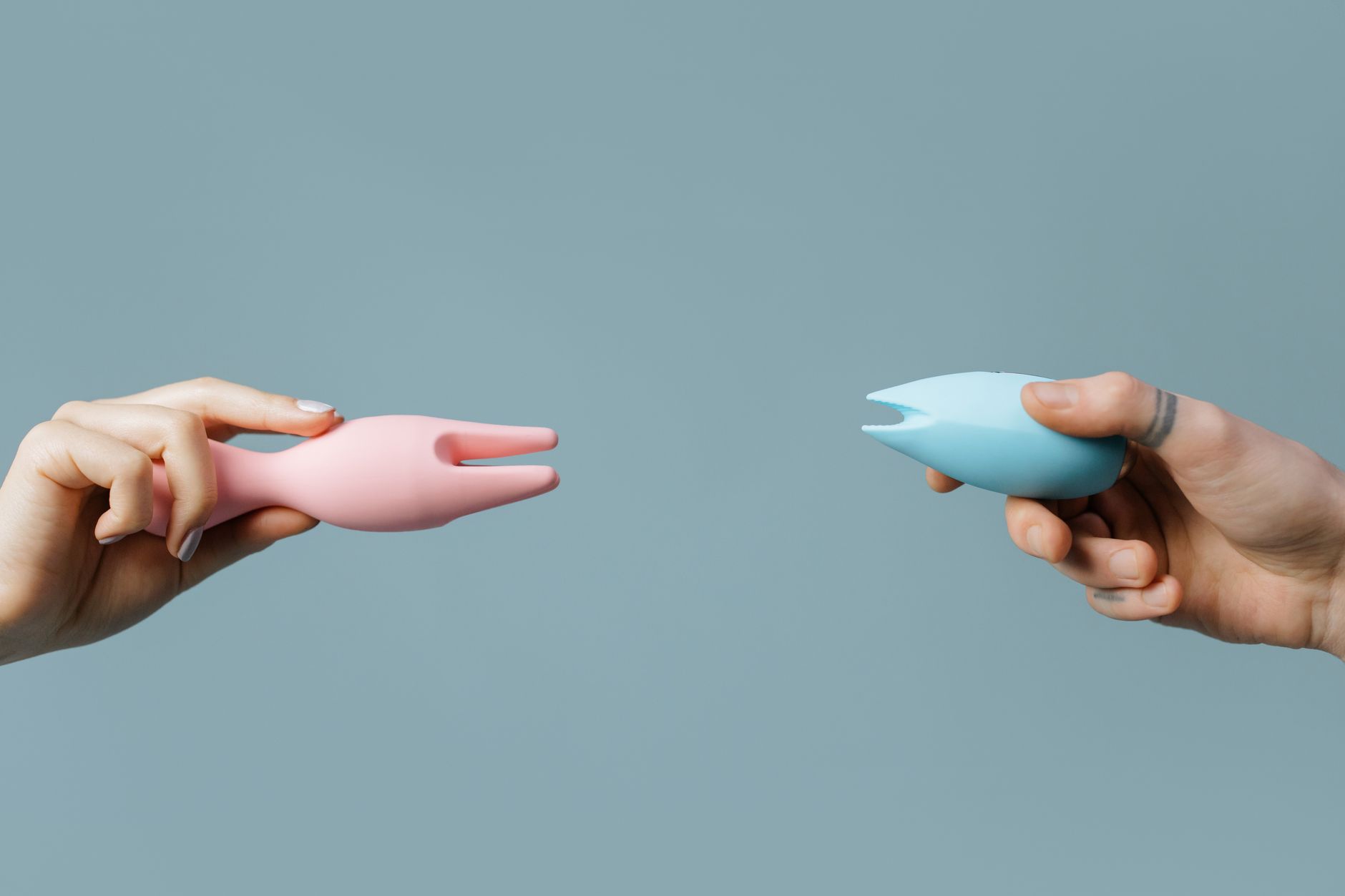
Lemon clitoral vibrators like the Lem work differently than traditional vibrators. Instead of harsh oscillation, they use gentle suction and pulsing. This matters enormously when arousal takes time.
With a regular vibrator, you might need fifteen minutes of direct friction before your body wakes up. By then, the friction itself can feel irritating. Lemon vibrators introduce sensation in a softer, more gradual way. You're not fighting against tension. You're inviting it.
The suction-based pattern also means you can start at lower intensity and stay there. With buzzing vibrators, you often jump from "barely anything" to "too much." Lemon's design lets you meet your body exactly where it is and stay present without that jarring escalation.
The actual timeline that works
When arousal needs time, the shape of your session changes. Budget for this.
Minutes 0-5: Settling in. Not touching yet. Breathing, maybe some kissing, removing clothes, creating mental space. Your nervous system needs permission to shift out of work-mode or caregiving-mode or whatever else you've been doing.
Minutes 5-10: Gentle exploration. Hands, fingers, touching without the toy. If you have a partner, this is foreplay. If you're solo, this is the preamble. The Lem stays nearby but not yet active. You're literally asking your blood vessels to wake up.
Minutes 10-20: Introduction to the toy. Turn on the Lem at pattern 1 or 2. This is not the main event yet. It's the signal to your body that sensation is arriving. Stay here for several minutes. Let arousal build without rushing it.
Minutes 20-30+: Deepening. Move up to pattern 3 or 4 if it feels right. This is where pleasure usually peaks for people navigating slower arousal. The key is that you're not forcing it. You've built to this naturally.
This entire arc takes twice as long as it used to. That's not a problem. That's information.
How to talk about this with a partner
If you're with someone, the worst thing you can do is apologize for needing time. The second worst thing is hiding it and faking arousal to speed things up. Both approaches disconnect you from your actual body and your partner from you.
Instead: "I'm realizing I need more warmup now, and it actually feels better this way. Let's slow down together." That's it. No apologies, no explanations about age or hormones unless you want to give them. Your partner benefits too. Slower foreplay usually means better connection.
If your partner resists or makes you feel rushed, that's a relationship problem, not a body problem. Address it directly or reassess the partnership.
The mental piece matters as much as the physical
Here's the pattern I see repeatedly: arousal slows down partly because of biology and partly because of mental noise. By your thirties and forties, most people are carrying more. Kids, work stress, aging parent stuff, relationship friction, body image thoughts.
Your nervous system is not stupid. It's protecting you from pleasure when you're not actually in a safe, relaxed space. Longer arousal is often a signal that your brain needs help settling before your body can follow.
What helps: Put the phone in another room. Set a timer if you need to. Tell your partner you need twenty uninterrupted minutes. Close the door. Light a candle if that helps you feel less utilitarian about it. This sounds basic, but most people skip it and then blame their body.
When your nervous system actually feels safe, arousal comes faster. Not as fast as age twenty-five maybe, but noticeably faster than when you're half-listening for a text notification.
Lemon vibrators and the pleasure reset
One thing I notice with lemon clitoral vibrators is that people often describe them as helping them "reconnect" with sensation. Part of that is design. Part of it is permission.
When you stop fighting your body's natural timeline and instead work with it, something shifts. You're not anxious about taking too long anymore. You're not comparing yourself to who you used to be. You're just present with what feels good right now.
That presence alone changes arousal. Not to mention that once your body realizes it's actually allowed to take its time, arousal often speeds up again. Paradoxically, accepting slowness often makes things faster.
Common mistakes people make
Don't try to skip the warmup. Don't assume you need higher intensity because arousal is slower. (Usually the opposite. Lower intensity for longer feels better.) Don't blame yourself. Don't hide it from your partner. Don't assume this is permanent or unfixable.
Arrousal patterns can shift again depending on stress, health, relationship quality, and what you're doing. They're not fixed. But trying to force your body back into a twenty-five-year-old arousal timeline is exhausting and pointless. Your body at forty or fifty has its own logic. Work with it instead of against it.
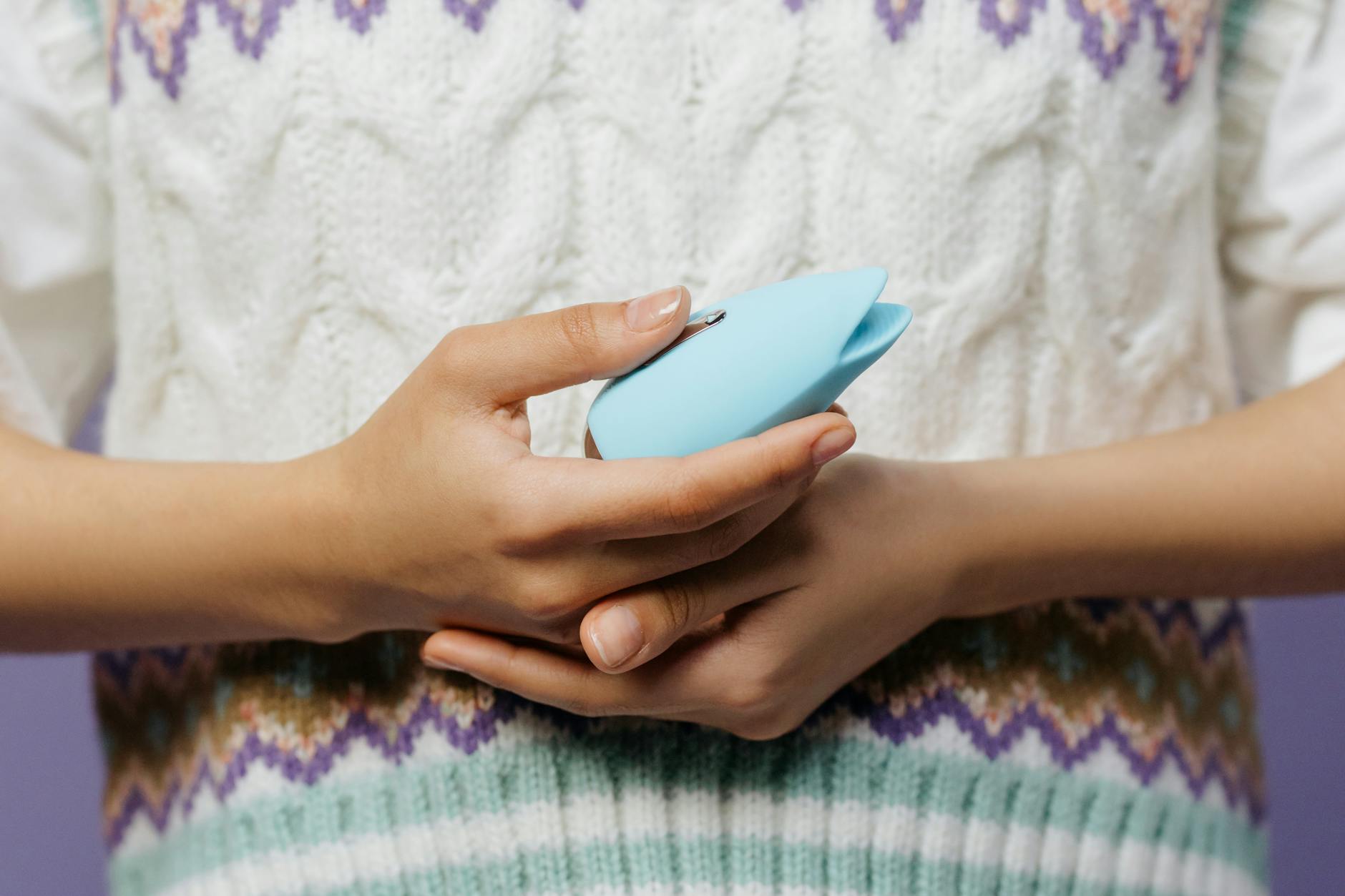
Photo by cottonbro studio on Pexels
When to check in with a healthcare provider
If arousal was fast and suddenly became glacially slow overnight, mention it to your doctor. That can signal hormonal shifts, medication side effects, or other things worth investigating.
If longer arousal time is paired with pain, numbness, or no lubrication at all, that's worth a conversation too. Those aren't normal aging. That's genitourinary syndrome or another treatable condition.
But if arousal simply got slower and everything else feels fine? That's just aging. And it's completely workable with the right setup and the right frame of mind.
FAQ: Your longer arousal questions answered
How much longer does arousal actually take as you age?
It varies wildly. Some people notice a shift in their late thirties. Others don't see a change until their fifties. It depends on hormones, medication, stress, partner dynamics, and how in-tune you are with your body. There's no universal timeline. The point is to notice what's true for you and adjust accordingly.
Does slower arousal mean lower desire?
Not at all. They're completely separate things. You can have strong desire and slow arousal buildup. You can have weak desire and fast arousal. They don't have to move in sync. Most people confuse them and assume slower physical arousal means they want sex less. Usually that's not true.
Can lemon vibrators actually speed up arousal?
They can, indirectly. What they do is remove friction and let arousal build in a way that feels gentler and less forced. Once your nervous system relaxes into that, arousal often picks up speed naturally. So not faster in the moment, but faster once your system trusts the approach.
Is it normal to need lube when arousal is slower?
Yes. Slower arousal sometimes comes with slower lubrication. Using a water-based lube isn't a sign something's wrong. It's a tool that makes the experience better. That's all. No shame, no medical drama. Just physics.
What if my partner gets impatient with longer warmup?
That's a relationship conversation that has nothing to do with your body. If your partner is unwilling to slow down and be present with you, that's a compatibility issue worth addressing directly. A partner who supports your pleasure is one who adjusts to your actual needs, not demands you perform on their timeline.
Does age always come with slower arousal?
Nope. Some people stay fast their whole lives. Some people get slower and then faster again after a year or two when their body adjusts. Hormones, stress, medication, relationship quality, and overall health all factor in. The only certainty is that your body might surprise you. Stay flexible with it.
The reframe you actually need
Longer arousal isn't a problem to solve. It's information your body is giving you about what it needs right now. Lemon clitoral vibrators help because they match that gentler pace and remove the pressure to perform on a timeline that no longer fits.
When you stop fighting your body and start listening to it, everything shifts. Not just physically. The entire relationship to pleasure changes. You're not trying to recapture who you were. You're getting to know who you actually are now.
That's always worth the extra time.