Let's start with what actually changes
Menopause doesn't end pleasure. What it does is rewire how your body responds to touch. Estrogen drops. Tissue thins. Sensitivity shifts. For a lot of people, that means the vibrator that felt amazing at thirty-five suddenly feels too intense, too blunt, or just plain uncomfortable at fifty-five. That's not a failure on your part. It's physics.
Here's the thing most people don't realize: not all vibrators handle sensitive tissue the same way. Traditional wand vibrators and direct-contact toys rely on friction and pressure. Lemon clitoral vibrators use air-suction technology, which works through gentle waves of suction rather than mechanical vibration. For post-menopausal bodies, that difference is everything.
What menopause actually does to sensation
When estrogen drops, three things happen at the tissue level. First, the vaginal and vulvar tissue gets thinner. Less blood flow means less natural lubrication. Second, the nerve pathways that carry sensation become more concentrated in a smaller area. Third, what used to feel pleasantly stimulating can now feel raw, sharp, or overwhelming.
But here's what doesn't change: your capacity for pleasure itself. Your clitoris doesn't shrink. The neural pathways in your brain that register arousal are still there. What changes is how much direct pressure you can comfortably tolerate before discomfort shows up.
Many women report that their most intense orgasms happen after menopause, not despite it. The difference is usually about finding the right approach. And that's where lemon vibrators enter the picture.
Why air-suction beats traditional vibration for sensitive tissue
A traditional vibrator works by vibrating against your body. Thousands of micro-movements per second create friction and pressure. On thin, sensitive tissue, that can feel like too much, too fast. Your body might tense up, not from excitement but from self-protection.
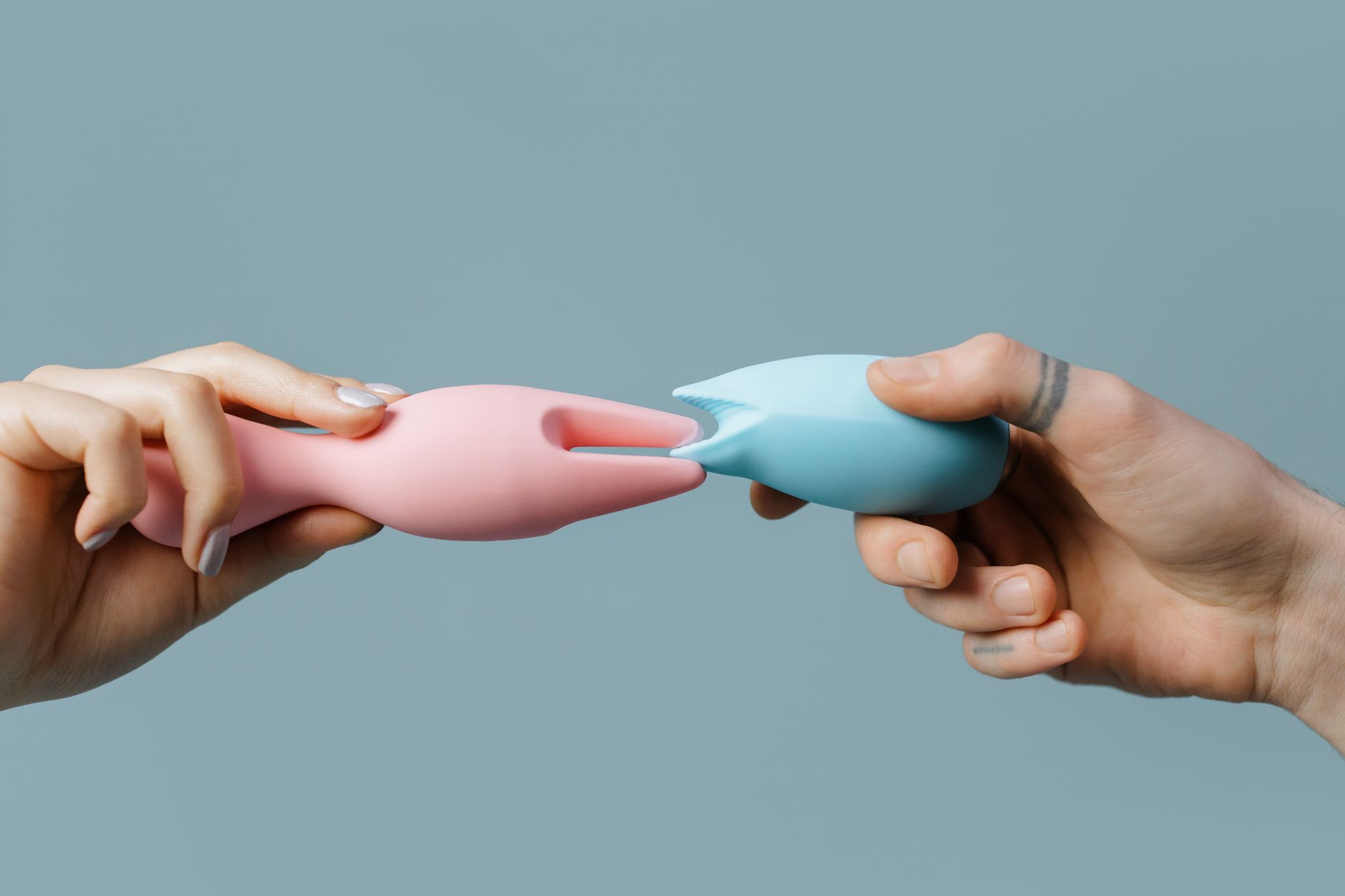
Lemon clitoral vibrators work differently. They create gentle waves of suction that stimulate the thousands of nerve endings in and around the clitoris without relying on friction. It's more like a rhythm than a buzz. That matters because suction engages deeper nerve clusters while staying completely gentle on the surface tissue.
For post-menopausal vulvas, this means you can experience intense sensation without pain or irritation. You're not wrestling with pressure. You're riding a pattern of gentle pressure and release that builds arousal gradually and naturally.
The science of why sensitive tissue responds better to suction
Your clitoris has about eight thousand nerve endings concentrated in a space the size of a pea. When tissue is thinned by estrogen loss, those nerves are closer to the surface and more easily overwhelmed by direct vibration. Suction technology distributes stimulation across a wider area while creating a gentle massaging rhythm.
Think of it this way: direct vibration is like tapping someone on the shoulder repeatedly, very fast. Suction is like someone gently squeezing and releasing your hand. Same nerves involved. Totally different experience.
Research on postmenopausal sexual function shows that people with sensitive tissue often report better orgasm quality and less pain when using suction-based devices compared to traditional vibrators. The reason is simple. You're not fighting your body's natural protections. You're working with them.
How to transition from traditional vibrators to lemon vibrators
If you've been using a standard vibrator and it's started to feel uncomfortable, switching to a lemon clitoral vibrator doesn't require starting from zero. Here's a practical path forward.
First, give yourself permission to slow down. If arousal takes longer to build after menopause, that's normal. Budget fifteen to twenty-five minutes instead of five to ten. Your body isn't broken. It just needs more time for blood flow to increase and tissue to swell.
Second, start on the lowest setting. Most lemon vibrators have three to five intensity levels. Begin at level one or two. Your tissue has been managing without this specific type of stimulation, so ease in. You can always increase intensity. You can't take back discomfort.
Third, use a quality water-based lubricant. Even though lemon vibrators are gentler than traditional toys, thinner tissue benefits from lubrication. It reduces any friction that does occur and makes the suction feel smoother. Apply it generously and reapply as needed.
Fourth, focus on what feels good in the moment rather than chasing orgasm. Menopause often brings shifts in what triggers pleasure. You might find that you enjoy broader stimulation around the vulva rather than direct clitoral contact. You might prefer longer, slower patterns. Pay attention. Your body is giving you real-time feedback.
Common concerns and what the evidence says
Will a lemon clitoral vibrator feel too weak compared to what I'm used to? Not necessarily. Air-suction creates a different type of intensity, not a weaker one. Many people find they orgasm faster and more intensely with suction once they adjust to the sensation. The intensity is just differently distributed.
Can I use a lemon vibrator if I'm on hormone therapy? Yes. Hormone therapy can help tissue health, but it doesn't change the benefits of using a gentler approach. If anything, combining HT with a tool designed for sensitive tissue often produces the best results.
What if the sensation still feels too intense? You have options. Some lemon vibrators are designed with softer, more flexible heads that distribute suction even more gently. You can also hold the vibrator slightly away from your body rather than in direct contact, which softens the sensation. And remember that sensitivity can fluctuate. What feels intense on Monday might feel perfect on Wednesday.
Do I need to use lubricant every time? Not necessarily, but most people find that lube makes the experience more comfortable and more pleasurable. Post-menopausal tissue often has less natural lubrication, so adding it typically improves the feel.
When to seek additional support
If you experience pain during any sexual activity, including with a lemon clitoral vibrator, that's worth discussing with a gynecologist or menopause specialist. Genitourinary syndrome of menopause (GSM) is real and common. It's also highly treatable with topical estrogen creams, vaginal moisturizers, or systemic hormone therapy.
A good provider can help you understand whether pain is temporary adjustment (normal when switching tools) or a sign that you need additional treatment. You deserve pleasure without pain. That's not negotiable.
You might also benefit from exploring how lemon vibrators help when clitoral sensitivity increases with age, which covers the spectrum of sensitivity changes across decades and how different tools can match different bodies.
Building a practice that feels sustainable
Here's what I notice with clients who find real, lasting pleasure after menopause: they stop treating vibrators as a backup plan and start treating them as a primary tool. Not because they're superior to everything else, but because they're specifically designed for how their body works now.
If you've spent thirty years having sex in one way, it takes time to explore another. That's not laziness or rigidity. It's just how habit works. Give yourself four to six weeks of regular use before deciding whether a lemon vibrator is right for you. Your nervous system needs time to learn the new sensation.
Many people also find that exploring alone first makes partnered use easier later. Solo practice lets you find your own rhythm without negotiating speed or pressure with someone else. Rebuilding pleasure after a long relationship break covers this more deeply if you're starting fresh post-divorce or after time apart.
The bottom line: your menopause body is not a broken version of your younger body. It's a different body with different needs and often surprising capacities for pleasure. A lemon vibrator is just a tool that happens to match those new needs almost perfectly.
Frequently asked questions
Can I use a lemon vibrator if I have vaginal atrophy?
Yes, absolutely. In fact, lemon vibrators are often recommended specifically for atrophy because they don't require much lubrication and the gentle suction won't irritate thin tissue. That said, combining a lemon vibrator with topical estrogen therapy or vaginal moisturizer gives you the best of both worlds. Talk to your provider about what's right for your specific situation.
Will a lemon clitoral vibrator help if I've completely lost sensation?
Maybe. Complete numbness is less common than people think. Most people report sensation, just different sensation than before. A lemon vibrator can help wake up nerve endings because suction engages deeper tissue. But if you're experiencing true numbness, that's worth checking with a doctor. It can sometimes indicate something that needs treatment.
How is a lemon vibrator different from other suction toys?
All suction vibrators work on the same basic principle, but design matters. Lemon vibrators are engineered specifically for sensitive tissue with softer silicone, gentler suction strength, and patterns designed for longer, slower build-up. Not all suction toys are created equal. Quality and intentional design make a difference in comfort and results.
Can I use a lemon vibrator during hormone therapy?
Yes. If you're on HT, your tissue might actually respond even better to a lemon vibrator because hormone therapy improves tissue health. You might find you can use slightly higher intensity levels as your tissue strengthens. But start low anyway. Your body will tell you when it's ready to increase.
What if my partner feels threatened by a lemon vibrator?
That's a relationship conversation, not a pleasure conversation. Sometimes partners worry that toys mean they're not enough. Sometimes they're just unfamiliar with the tool. How lemon vibrators help when your partner thinks toys are a threat digs into this in detail. The short version: education and inclusion often shift perspective quickly.
Is it normal to need a stronger lemon vibrator over time?
Yes and no. Sensation can stabilize after a few months of use. What feels intense on week two might feel just right by week eight. That's your nervous system adjusting, not numbness building up. But some people do eventually explore higher intensity levels. Start with a standard lemon vibrator. You can always explore more powerful tools later if you want to.
The bigger picture
Menopause changes a lot about how your body works. But it doesn't have to change your access to pleasure. You deserve orgasms that feel good without pain or struggle. You deserve a tool that matches your body as it is now, not as it was. A lemon clitoral vibrator is designed specifically for that purpose. Give it a real chance, stay patient with yourself, and pay attention to what your body actually enjoys. That's where the good stuff lives.